

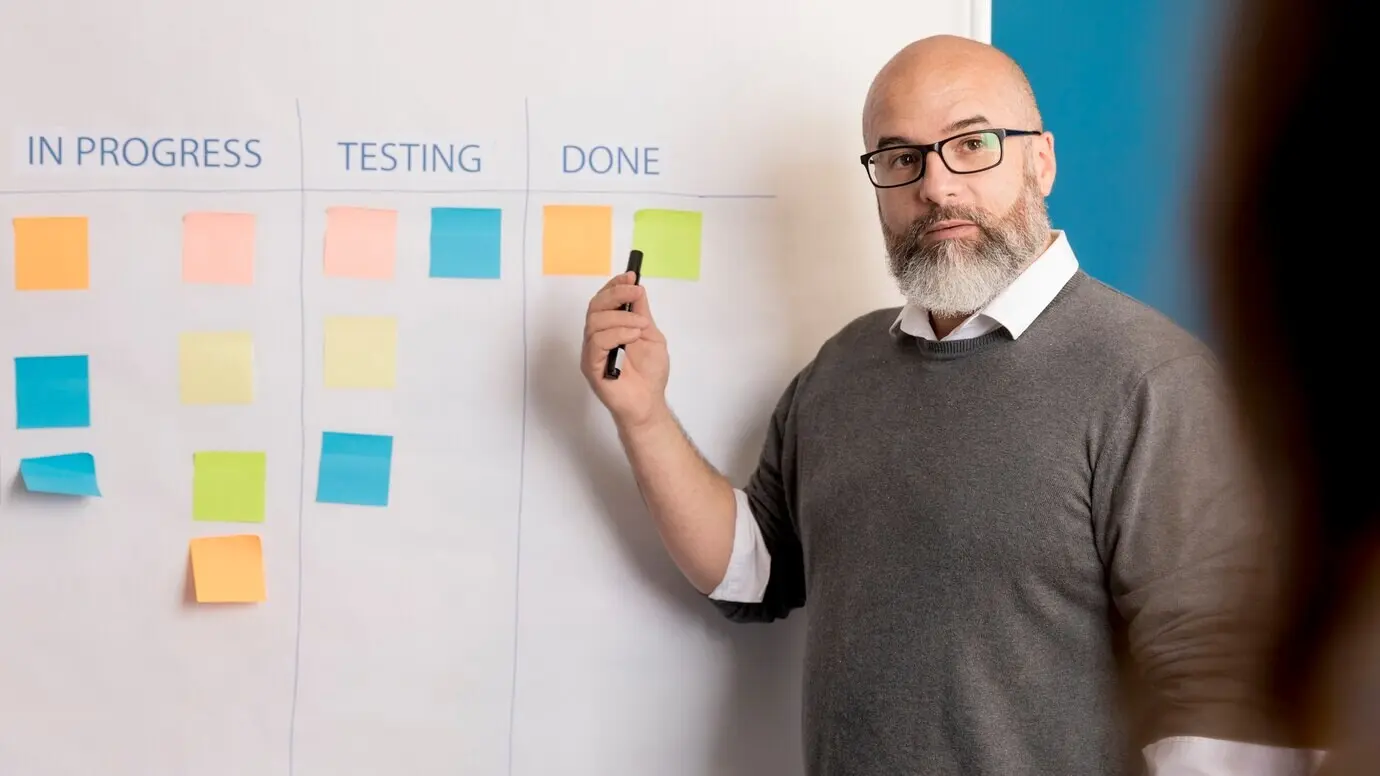



Minimum Viable Scorecard
One page, no vanity metrics. Track three to five inputs you control and one or two outcomes you influence. A writing coach watched 'drafts completed' predict revenue reliably, using that insight to protect drafting time aggressively, which produced steadier sales without frantic promotional pushes.

Run Safe-to-Fail Tests
Design experiments small enough to reverse quickly. Change one variable, set a success threshold, and timebox the effort. A solopreneur tested a shorter newsletter weekly for a month; replies increased, workload decreased, and the new format became a calm, compounding engine for trust.
Reflect Without Rumination
Use brief prompts: What moved us forward? What slowed us? What will we try next? Limit reflection to ten minutes, write decisions in present tense, and schedule actions immediately. Reflection stops becoming worry and starts becoming fuel for gentle, consistent, accumulating progress.